Introduction
Food security is an important aspect of contract food manufacturing in Australia. With the growing demand for comfort as well as ready-to-eat products, contract food makers play a crucial function in creating safe as well as premium food. In this article, we will discover the laws and guidelines that regulate contract food manufacturing in Australia, making certain that consumers can rely on the products they purchase.
Understanding Contract Food Manufacturing
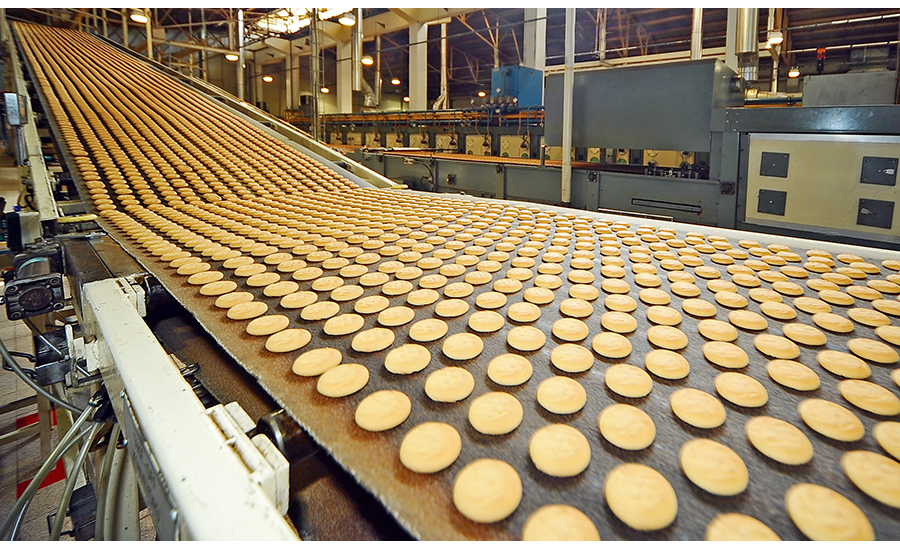
Contract food production involves contracting out the manufacturing of food to a specialized supplier. This allows business to focus on various other aspects of their service while making certain that their items are generated according to market standards. These suppliers have specialized centers, equipment, and also know-how to meet the particular needs of various food products.
What is Contract Food Manufacturing?
Contract food production refers to the procedure of working with a third-party maker to produce food products on behalf of a company. The contract producer looks after different stages of production, consisting of sourcing active ingredients, processing, product packaging, labeling, and also distribution. This arrangement allows companies to scale up their production without purchasing extra framework or manpower.
Benefits of Contract Food Manufacturing
Cost Performance: By outsourcing manufacturing to an agreement supplier, companies can minimize prices related to framework, equipment, labor, as well as regulative compliance. Expertise and also Expertise: Agreement producers have substantial expertise as well as experience in generating specific types of food products, making certain high quality and consistency. Scalability: As need for a product increases, agreement manufacturers can promptly scale up manufacturing without disruptions. Focus on Core Competencies: Companies can concentrate on marketing, sales, as well as item advancement while leaving the production process to experts. Access to New Markets: Contract manufacturers typically have actually developed distribution networks that can help business expand their reach into brand-new markets.Australian Rules for Contract Food Manufacturing
Australia has rigorous laws and also standards in position to make sure the safety and top quality of foodstuff. Agreement food makers have to adhere to these policies to run legally and also meet consumer expectations.
Food Safety Standards Australia
Food Security Criteria Australia (FSSA) lays out the governing demands for the manufacturing, handling, and also handling of food in Australia. These requirements cover different aspects, consisting of hygiene techniques, handling of allergens, labeling requirements, and also traceability of ingredients. Contract food producers need to abide by these requirements to ensure the security and also stability of their products.
Good Manufacturing Practices (GMP)
Good Production Practices (GMP) are a set of standards that lay out the minimum needs for the production procedure. These methods cover locations such as center style, equipment upkeep, workers hygiene, item screening, as well as quality control. Sticking to GMP guarantees that food products are generated in a tidy and regulated atmosphere, reducing the danger of contamination.
Food Labeling Demands in Australia
Accurate and clear labeling is necessary to notify consumers regarding the content as well as possible allergens present in a food product. The Australian Food Criteria Code details certain requirements for labeling, consisting of mandatory info such as components listing, allergen declarations, dietary details panel, and native land labeling. Agreement food manufacturers must make sure that their items are identified appropriately to adhere to these regulations.
HACCP (Hazard Analysis Critical Control Factor)
Hazard Analysis Important Control Point (HACCP) is a methodical approach to recognizing and regulating potential hazards in the food manufacturing process. This precautionary system includes determining potential risks, establishing important control points, monitoring procedures, corrective actions, confirmation tasks, and also record-keeping. HACCP plays an important duty in making certain the safety of food products by recognizing and also minimizing threats at each stage of production.

Quality Guarantee Programs
Quality guarantee programs play an essential function in keeping regular high quality across various batches of foodstuff. These programs involve routine testing and also evaluation of raw materials, finished products, as well as environmental problems to ensure compliance with quality requirements. Contract food producers commonly have durable quality control programs in place to satisfy the expectations of their clients and also governing bodies.
Food Safety Audits
Regular food security audits are conducted by governing bodies to examine the compliance of contract food makers with appropriate policies and standards. These audits examine various elements, consisting of center sanitation, employees hygiene practices, record-keeping, equipment maintenance, and adherence to HACCP principles. Agreement food product contract manufacturing food suppliers should undergo these audits to show their commitment to generating risk-free as well as top quality food products.
Compliance with International Standards
In enhancement to Australian regulations, agreement food producers might likewise require to follow worldwide criteria depending on their target audience. International requirements such as ISO 22000 (Food Safety And Security Monitoring System) and BRC Global Standard for Food Safety supply additional structures for ensuring food safety and security and high quality. Sticking to these standards can improve the track record of agreement food suppliers and also open opportunities for exporting their products.
FAQs regarding Contract Food Manufacturing in Australia
What is agreement food manufacturing?- Contract food manufacturing refers to contracting out the manufacturing of foodstuff to a specialized manufacturer.
- Companies pick contract food manufacturing for expense efficiency, experience, scalability, concentrate on core expertises, as well as access to new markets.
- The laws include Food Safety and security Requirement Australia (FSSA), Excellent Production Practices (GMP), Food Labeling Demands, HACCP, Quality Assurance Programs, as well as Food Security Audits.
- Contract food suppliers guarantee safety and security through compliance with policies, implementing GMP techniques, adhering to HACCP principles, maintaining quality assurance programs, and going through regular audits.
- Yes, relying on the target markets, agreement food suppliers may need to follow global criteria such as ISO 22000 as well as BRC Global Criterion for Food Safety.
- Companies can analyze the top quality of agreement food makers with audits, certifications, record, compliance with guidelines, and also online reputation in the industry.
Conclusion
Ensuring food safety and security is of vital importance in contract food manufacturing in Australia. By sticking to guidelines, applying best methods, and also keeping strenuous quality control procedures, contract food makers can generate secure and high-grade food products. This not only builds customer trust yet likewise assists companies meet their company goals. As the need for contract food manufacturing remains to rise, it is crucial for both manufacturers and also business to stay updated with the current laws and also sector fads to deliver products that meet the highest possible requirements of security and also quality.